
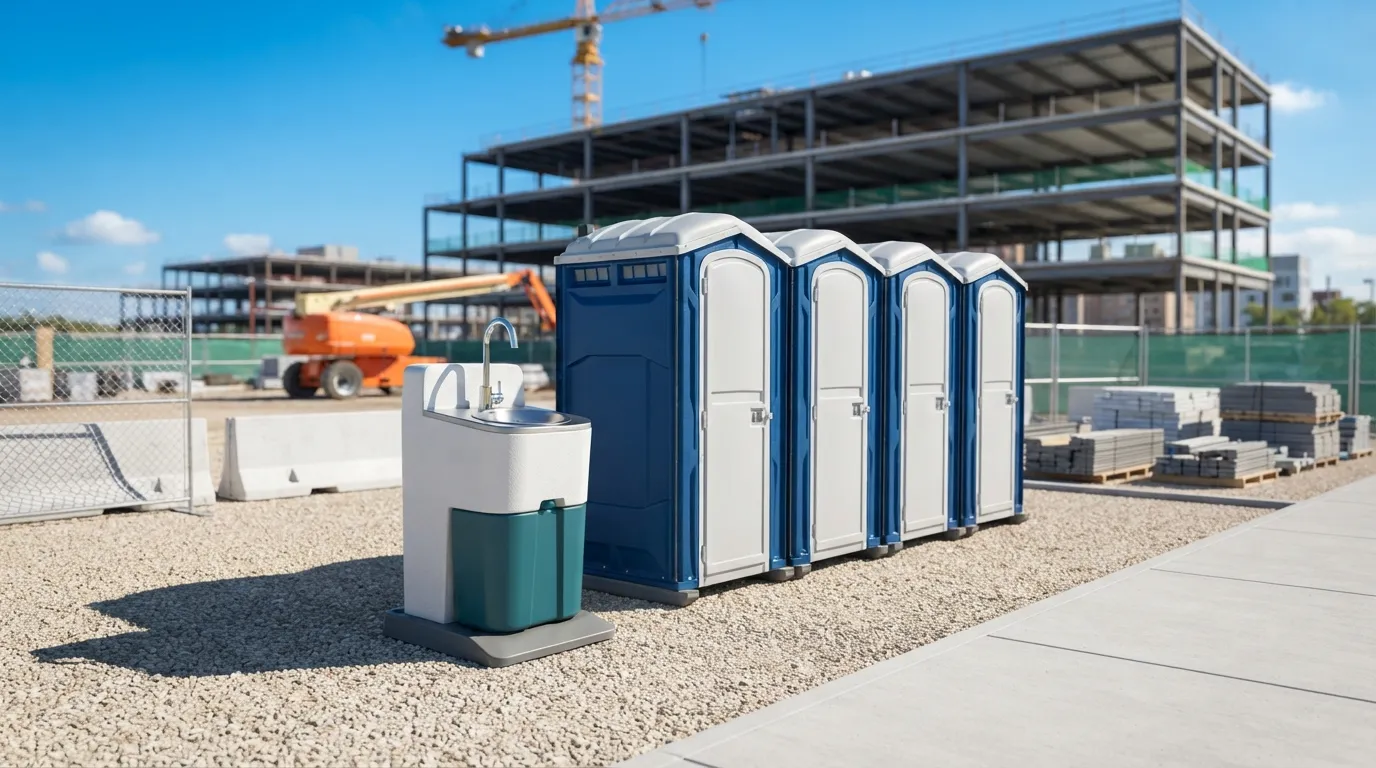
How does a standard porta potty work?
The tank sits under the seat, sealed off from the stall so nothing splashes back at you. A footprint of about 44 by 48 inches keeps the unit stable, and it stands roughly 92 inches tall, enough for most adults to stand upright. Inside, a chemical packet, usually a blue formaldehyde-free deodorizer these days, sits in the tank water and starts breaking down solids the moment they land. The vent stack on the roof pulls sewer gas up and out instead of into your face. No water tank, no flush handle, nothing to hook up. That simplicity is why standard porta potty rental stays the cheapest option on most job sites. When the tank gets close to full, a technician backs a vacuum truck up, pulls the waste, rinses, and redoses the chemical. If you're trying to figure out how many units a crew needs, OSHA 1926.51(c)(1) sets the baseline: one toilet for 20 workers or fewer, scaling up from there. Our porta potty placement guide covers where to actually put them on a National City lot.
How do flushable porta potties work?
A deluxe or flushable unit adds a small onboard freshwater tank and a foot pump or handle that pushes a rinse of water into the bowl after use, so waste drops straight into the holding tank instead of sitting in view. It still doesn't connect to a sewer line. The tank capacity and chemical dosing work the same way as a standard unit, just with a rinse cycle layered on top, which is why a deluxe flushable porta potty costs more to rent and service. Restroom trailers take this further with multiple stalls, sinks, and sometimes climate control, all still running off onboard tanks rather than city water and sewer. A restroom trailer rental makes sense for weddings and long events where guests expect something closer to a real bathroom, and a 2 stall restroom trailer or 4 stall restroom trailer scales with headcount the same way porta potty counts do on a construction site.
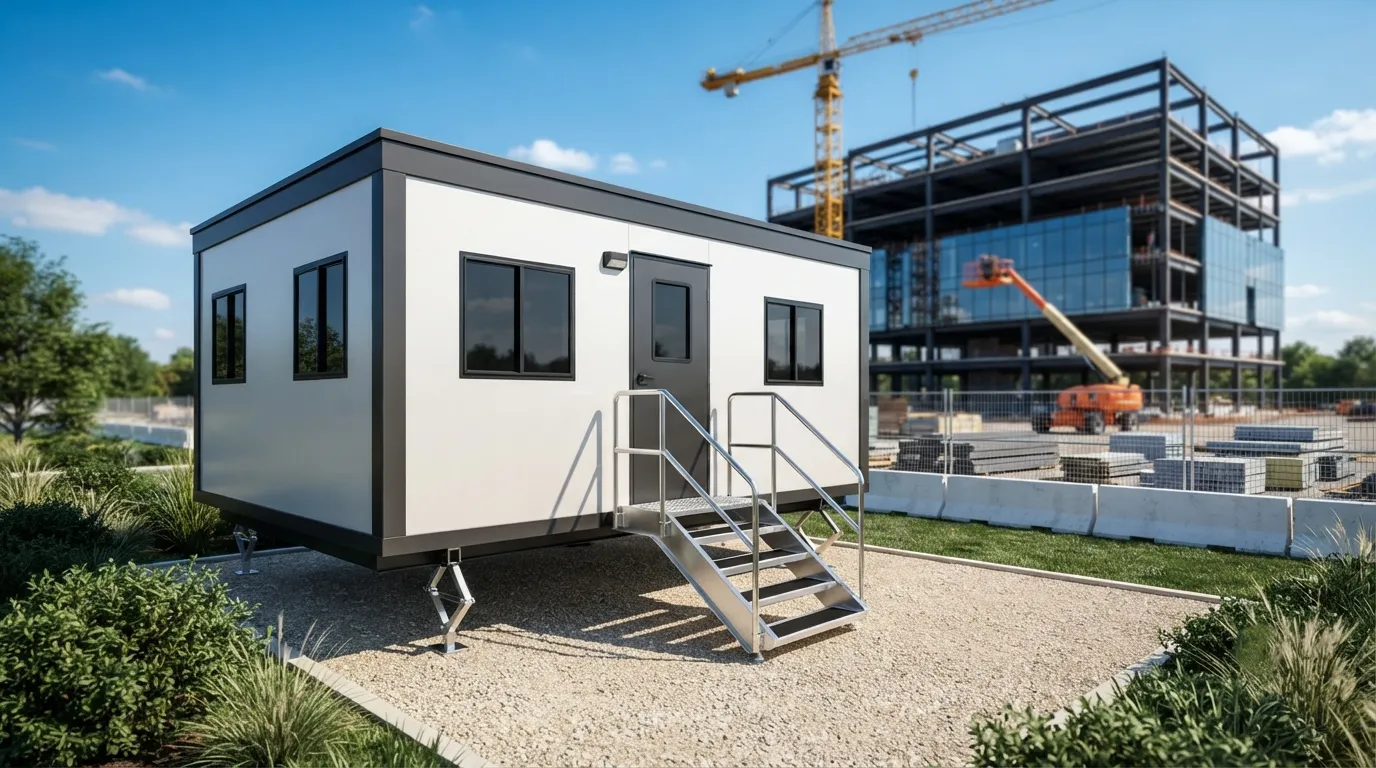
How does a portable sink work?
A portable handwashing station carries its own fresh water in a top tank, usually gravity fed or foot pumped, with a soap dispenser and a gray water tank underneath to catch runoff. Nothing connects to a building. You pump the foot pedal, water comes out the spigot, you wash, and it drains into the holding tank below instead of the ground. Under 29 CFR 1910.141(d)(2), a hand washing setup needs actual soap and towels or a drying device. Hand sanitizer alone doesn't satisfy that. On a paint or coating job, OSHA 1926.51(f)(1) requires washing facilities specifically because of contaminants like paints, coatings, herbicides or insecticides, not just general dirt. A handwashing station rental or a standalone portable sink rental covers that requirement without running a hose from inside. For events where sanitizer is enough, a hand sanitizer station rental is the lighter option, and our handwashing requirements page breaks down when each one applies.
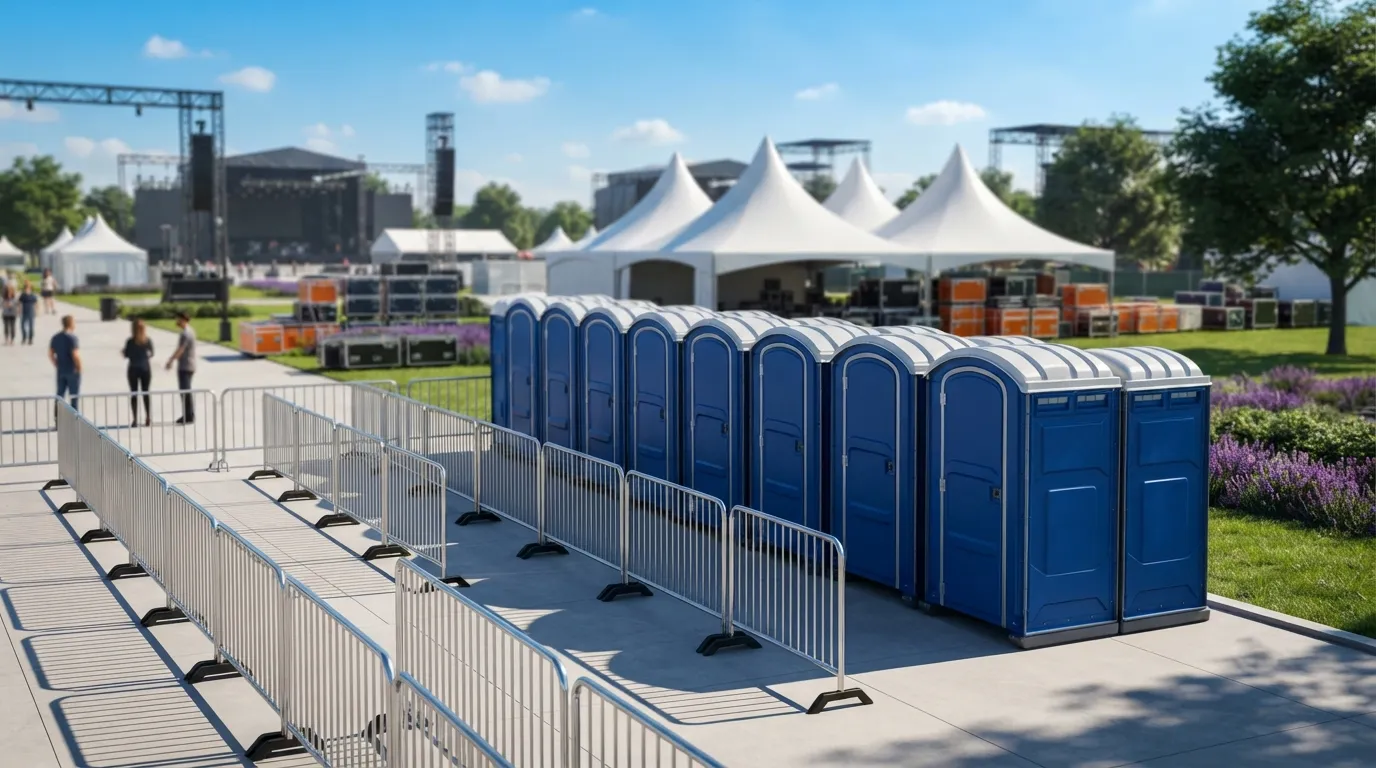
How do camping porta potties work?
A camping porta potty is a scaled-down version of the same idea: a small waste tank below, a fresh water flush tank above, and a seal between the two that breaks when you flush and reseals after. No chemicals are strictly required at that size, but most people still add a treatment to control odor between dump-outs. On a real job site or event in National City, the rental version is the standard unit or the deluxe flushable, serviced on a schedule rather than dumped by hand. Under ANSI/PSAI Z4.3, the baseline service interval is once a week for up to 10 users across a 40 hour week, though busier sites need more frequent visits, which our how often are porta potties cleaned page explains in more detail. If you're staging units for a construction crew rather than a campsite, check our construction site services page and the OSHA portable toilet requirements guide before you order.
| unit | day | week | month |
|---|---|---|---|
| standard | 100-350 | 130-500 | 125-325 |
| deluxe | 85-1200 | 150-290 | -- |
| ada | 200-400 | 120-240 | -- |
Do porta potties smell?
They can, especially in heat, but the deodorizing chemical and regular pumping keep most units manageable. Placement matters too, away from direct sun and entrances helps a lot. Our do porta potties smell page covers what actually controls odor versus what people assume does.
How many porta potties does a construction crew need?
OSHA 1926.51(c)(1) sets one toilet for 20 workers or fewer, then adds a seat and urinal per 40 workers up to 200. Crew size, shift length, and site layout all affect the real number. Use our how many porta potties do I need calculator for a specific count.
Are ADA accessible porta potties different?
Yes. ADA units have wider doors, at least 32 inches per ADA Standards section 404.2.3, and enough interior space for a 60 inch turning circle under section 304.3.1. ADA Standards section 213.2 requires at least 5 percent of clustered units be accessible. See our ADA accessible porta potty page.
What chemicals go in a porta potty tank?
A blue deodorizing solution, usually a non-formaldehyde formula now, breaks down solids and masks odor between services. It's added fresh at each pump-out. Homeowners asking about portable toilet chemicals near National City should check with their rental provider rather than buying random tank treatments.
How far will delivery travel from National City?
National City Porta Pros services the surrounding region, including areas like Bonita 7.4 miles east and Imperial Beach 9.0 miles south. Delivery distance affects scheduling more than price. Check service areas for the full coverage map.
Next step
Get a delivery date
Tell us the address, the dates and the headcount. We size the order and confirm the route.