
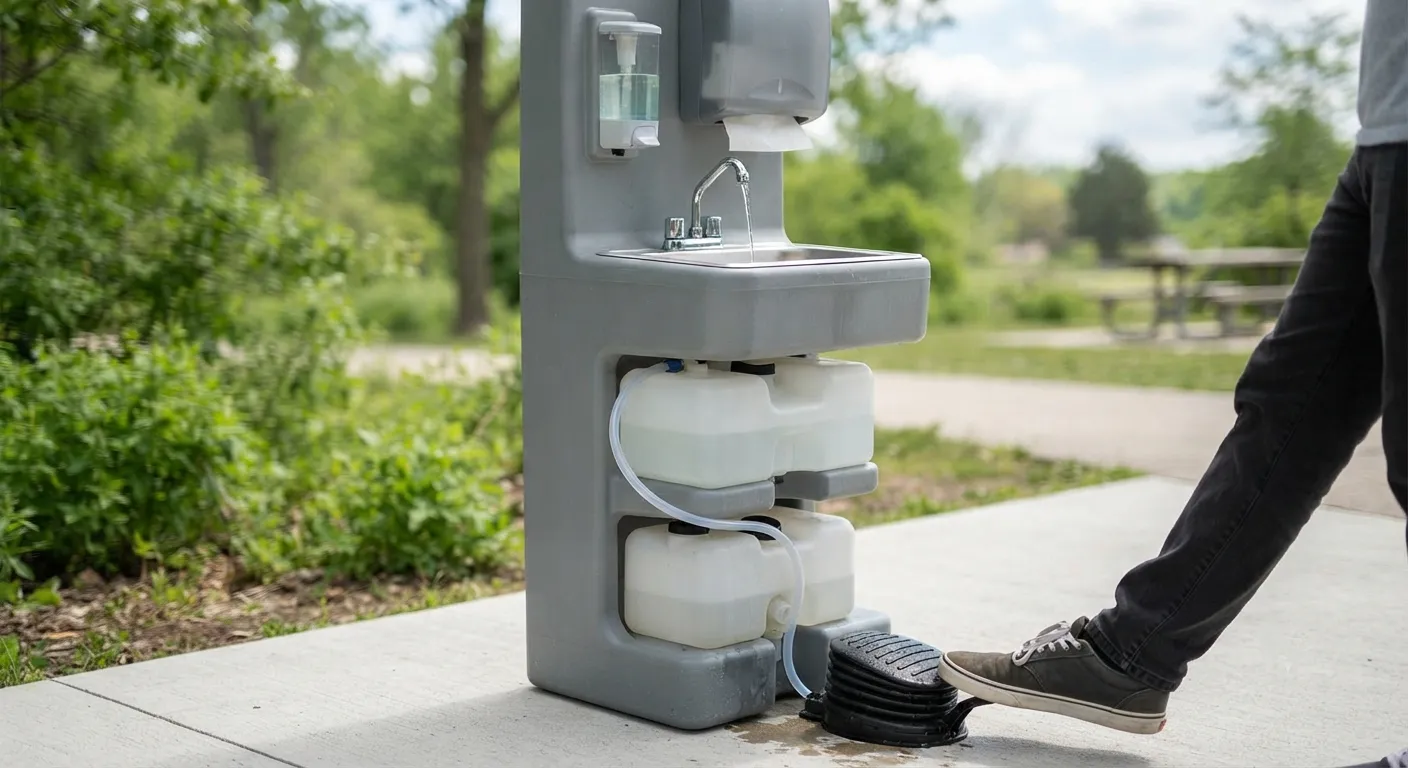
Where should a porta potty go on a job site?
Set it on flat, firm ground, away from storm drains and within reach of foot traffic without blocking exits. A standard unit runs about 44 by 48 inches on the ground and stands roughly 92 inches tall, so give it a clear footprint plus room for the door to swing. If you're placing several for a crew, how many porta potties do i need walks through OSHA 1926.51(c)(1) ratios: one toilet for 20 workers or fewer, then one seat and one urinal per 40 workers as the crew grows past that. National City sites with tight lots often need units staged closer to the street, which is where porta potty permit requirements and right-of-way rules come in. Keep sanitation stations near handwashing setups too. If you're renting a handwashing station alongside toilets, 29 CFR 1910.141(d)(2) requires soap and towels or a hand-drying device at that station, not sanitizer alone. For crews using paints, coatings, or pesticides, OSHA 1926.51(f)(1) calls for washing facilities specifically because of those contaminants. Pair units to keep both requirements covered without extra walking.
Do I need a permit to place a porta potty or dumpster in National City?
Sidewalk or street placement typically needs city sign-off, and that has to be confirmed with National City directly since exact permitting steps vary by block and by project. Dumpster placement permit cost and process work the same way: if a roll-off dumpster or a construction dumpster sits in the public right-of-way instead of a private driveway, check with the city before drop-off. A roll-off needs about 60 feet of straight clearance behind the truck to place and pull safely, so measure your alley or curb cut first. See dumpster permit requirements for the general framework, and dumpster placement permit guidance for toilets follows a similar logic: private lot, no permit conversation needed; public right-of-way, call the city. Renting a temporary fence around the unit cluster helps on sites near sidewalks in National City, since it keeps the placement question visually obvious to inspectors and passersby alike.
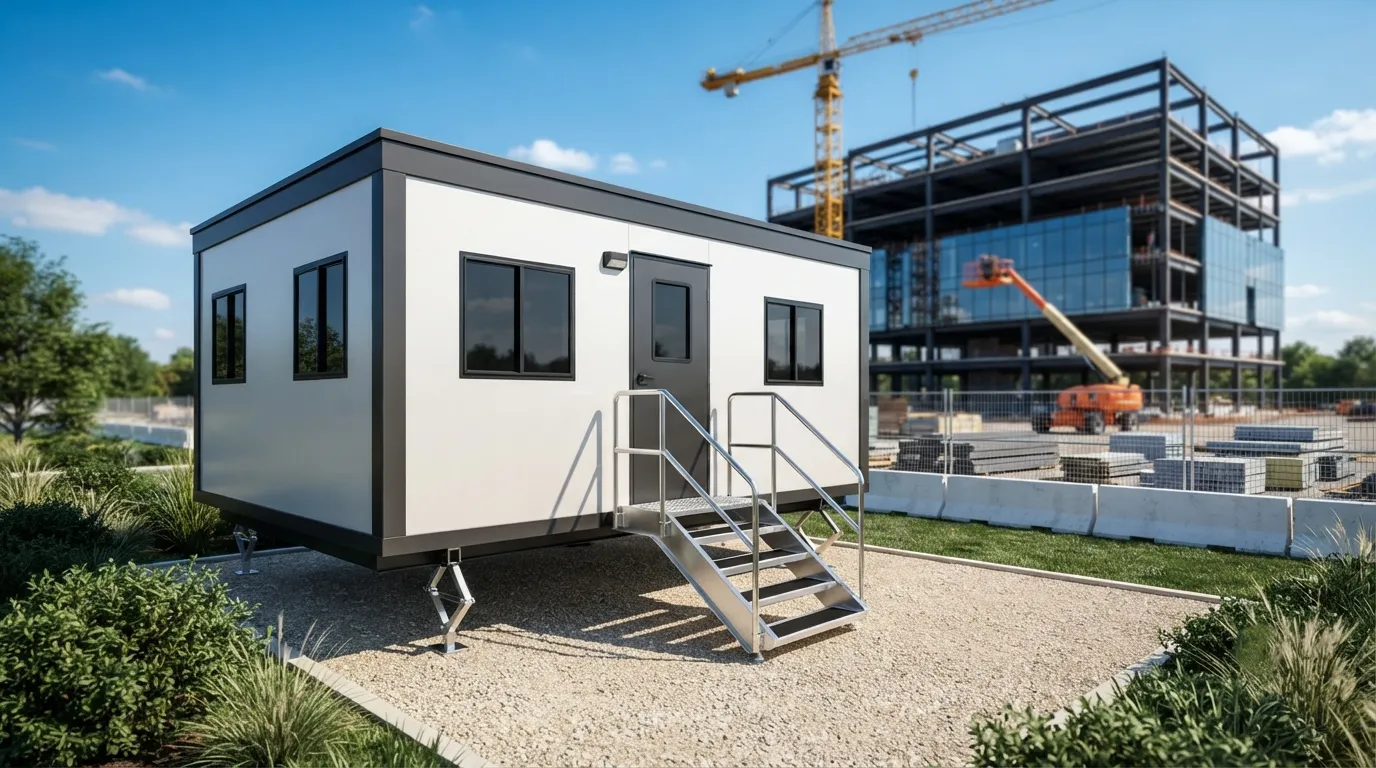
Can I place a unit anywhere on an event site?
Not quite anywhere. Event placement still needs firm, level ground, a path wide enough for guests, and distance from food service and stages. ADA Standards section 213.2 requires that where single-user units are clustered, at least 5 percent, and never fewer than one, be wheelchair-accessible, so plan that unit's spot with a 60 inch turning circle per ADA Standards 304.3.1 and a 36 inch clear route per ADA Standards 403.5.1. National City events near the bay draw crowds that need extra units, and event restroom rental or festival restroom rental pages cover the ratios. Weddings need a quieter, more discreet placement; wedding restroom rental covers that. If you're bringing in a trailer instead, an 8 stall restroom trailer needs a level pad and hookup access, and restroom trailer rental has pad specs. Standard unit rentals for a single-day event run in a wide band depending on unit count and duration, so check porta potty rental cost before you commit to a layout.
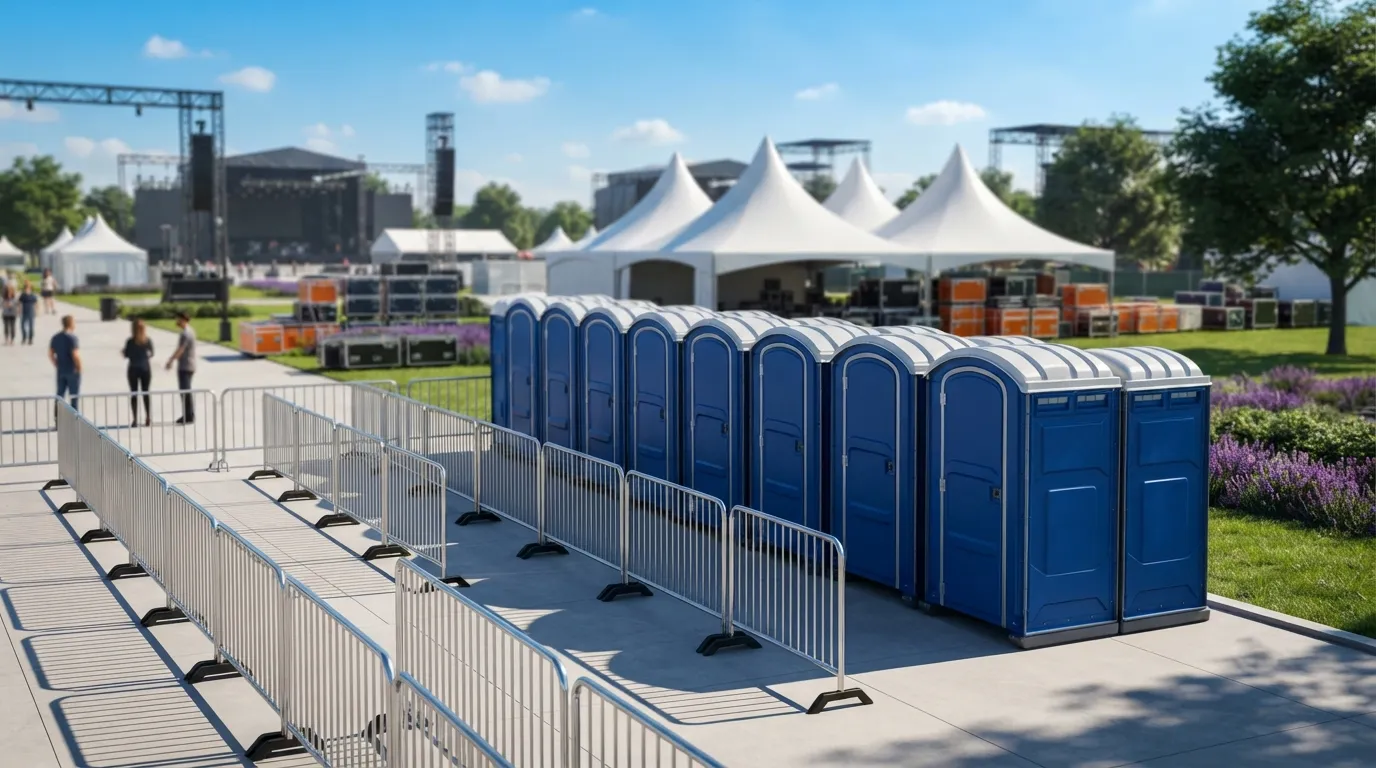
How do I place a storage container or mobile office trailer on site?
Give the delivery truck a straight, clear approach and level ground rated for the container's loaded weight. A 20ft storage container or 40ft storage container needs a firm pad, ideally gravel or pavement, not soft dirt that shifts under load. Mobile office trailer replacement doors and hardware are a common ask after a container sits through a rainy season in National City. If a door won't seal right, mobile office trailer rental providers can usually swap hardware without moving the whole unit. Site placement for offices and containers should keep at least one side clear for future access, and pairing a container with a light tower or temporary power pole means planning cable runs before delivery day, not after. For long-term storage needs, storage container rental cost breaks down monthly pricing bands.
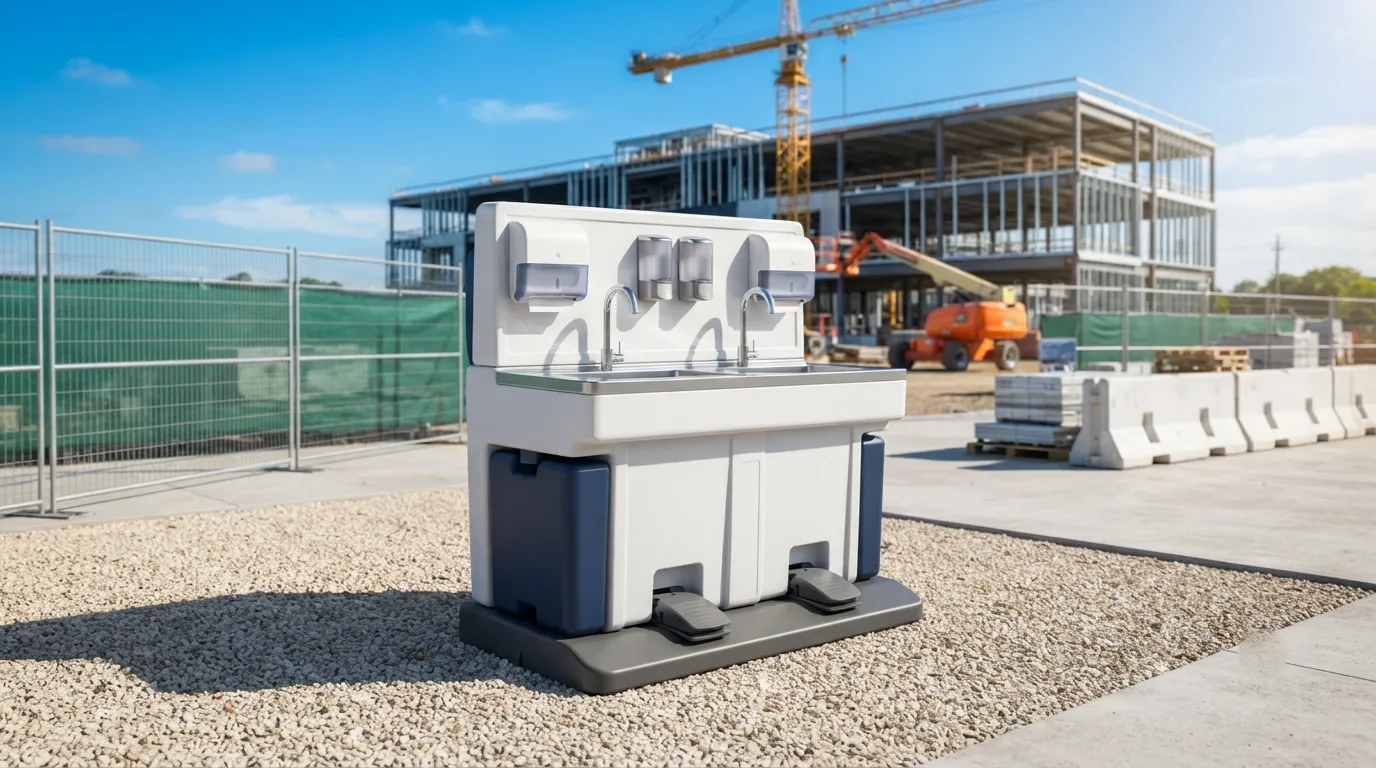
Septic and grease service placement notes
Septic trucks need the same clearance dumpsters do: a straight approach and solid ground near the tank access lid. A residential septic tank is typically pumped every 3 to 5 years depending on tank size and household size, and how often to pump a septic tank covers that in detail for National City households. Grease interceptors get pumped once fats, oils, grease and solids reach 25 percent of liquid depth, a threshold grease trap pumping explains further. If you're further out, placerville septic pumping service crews follow the same access rules; distance changes drive time, not the setup. National City Porta Pros also handles emergency septic service when access has been blocked and a tank backs up. Ozark river portable sink replacement parts come up occasionally on long-term handwash rentals; most wear parts swap out on-site during a routine portable sink rental service call.
What is the minimum clearance around a porta potty?
Give 3 feet of open space on the service side for the pump hose, plus enough room for the door to swing without hitting a fence or wall. ADA-accessible units need extra room to meet the 60 inch turning circle under ADA Standards 304.3.1.
Do I need a permit to place a porta potty in National City?
It depends on location. Private property generally doesn't require one; placement in the street or sidewalk right-of-way needs confirming with National City before delivery. Check porta potty permit requirements for the general breakdown.
How far from the site can a unit be placed?
As close to the work area as ground conditions allow. ANSI/PSAI Z4.3 sets a baseline service interval of once weekly for up to 10 users over a 40 hour week, so easy truck access matters more than exact distance from the crew.
Can porta potties sit on a slope?
Not safely. Units need firm, level ground to stay upright and to keep the tank from shifting. If your National City site is graded, ask about placement on the flattest available pad before delivery.
What if my lot doesn't have enough clearance for a roll-off truck?
Tell the dispatcher before delivery day. A roll-off needs about 60 feet of straight clearance behind the truck; tight alleys or driveways in National City sometimes need a different container size or a curb-side drop instead.
Next step
Get a delivery date
Tell us the address, the dates and the headcount. We size the order and confirm the route.